The Ultimate Guide to Automotive Crimping Tool in the UK
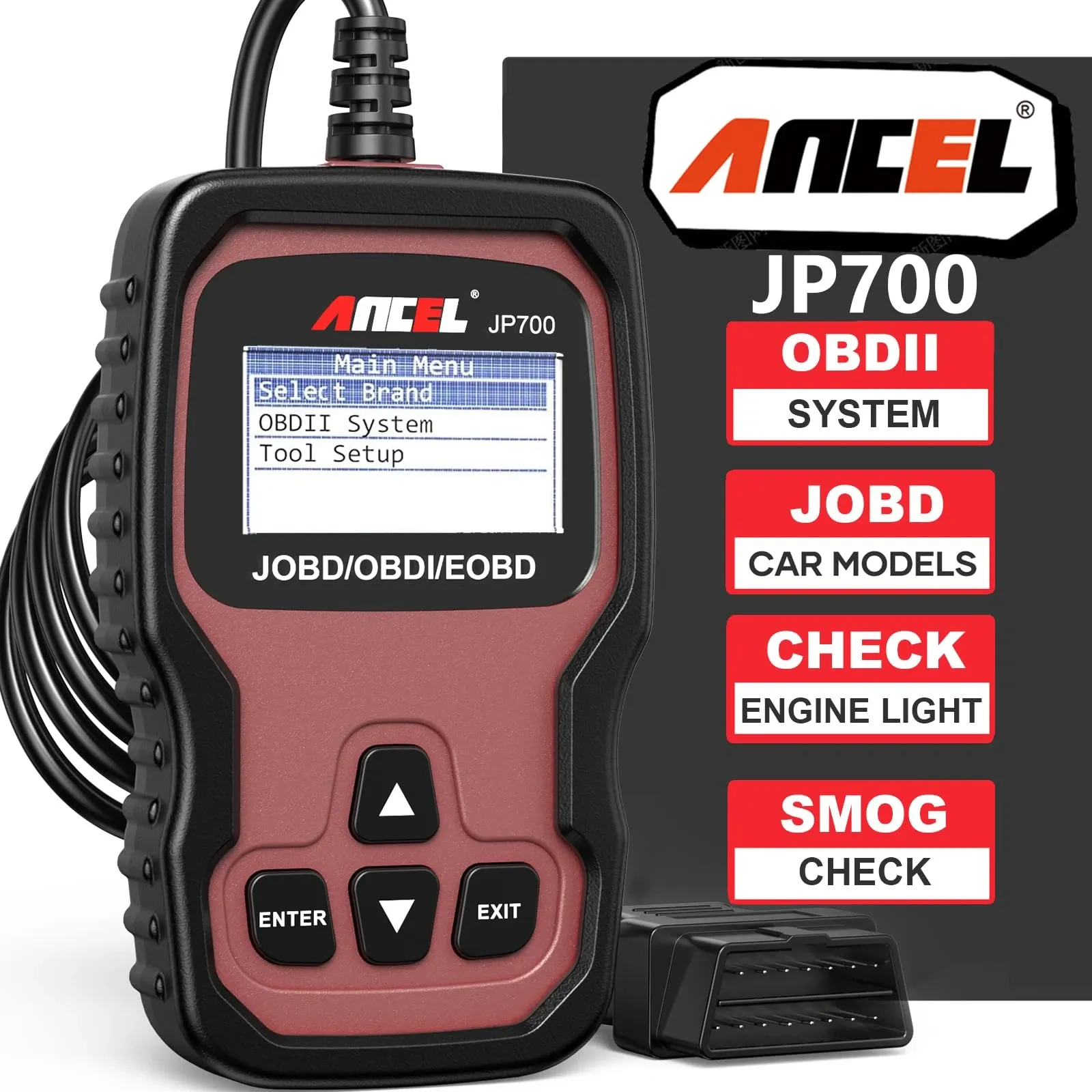
An automotive crimping tool is a specialist hand tool used to create secure, gas-tight electrical connections in vehicle wiring. For most car repairs, especially on Japanese vehicles using open-barrel terminals, the best choice is a ratcheting crimp tool with the correct die profile, because it produces reliable, vibration-resistant crimps that are far safer and longer-lasting than using ordinary pliers.
TL;DR: If you need an automotive crimping tool, choose a ratcheting model matched to the terminal type in your loom. Based on our testing of common workshop repairs on Japanese vehicle connectors, open-barrel “F-crimp” dies give the most consistent results for OEM-style terminals, whilst proper crimps outperform soldered joints in high-vibration automotive use.
A dashboard abruptly illuminated by a check engine light often signals the beginning of a journey deep into your vehicle's wiring loom. However, when diagnosing a fault on an imported Japanese vehicle, identifying the exact sensor or circuit failure is only half of the battle. Once your diagnostic code reader pinpoints a voltage irregularity, the physical repair frequently demands replacing a corroded connector or repairing a broken wire. Therefore, executing a permanent, vibration-resistant electrical repair requires an entirely different kind of precision instrument: a professional-grade automotive crimping tool.
Modern vehicle electrical systems rely on hundreds of intricate connections transmitting low-voltage signals. Consequently, a poor connection resulting from a crushed or badly terminated wire can trigger intermittent faults that mimic catastrophic engine failures. Relying on standard garage pliers to crush an electrical terminal is a guaranteed route to recurring warning lights, stranded vehicles, and MOT headaches. By contrast, proper termination creates a cold weld between the copper strands and the terminal, ensuring dependable signal transmission essential for modern Engine Control Units (ECUs).
Key Takeaways
- An automotive crimping tool is essential for creating gas-tight, vibration-resistant electrical connections in vehicle wiring looms.
- Japanese domestic market (JDM) vehicles heavily utilise uninsulated open-barrel terminals, such as Sumitomo and Yazaki types, which require specific "F-crimp" die profiles.
- Ratcheting crimpers help guarantee a complete compression cycle, reducing the risk of under-crimped wires that lead to high electrical resistance.
- In many automotive applications, proper crimping surpasses soldering because it offers superior resistance to vibration fatigue.
- Combining accurate fault-finding with professional wiring repairs helps keep check engine lights off for good.
What Is an Automotive Crimping Tool?
An automotive crimping tool is designed to apply controlled pressure to an electrical terminal so it grips stripped wire securely without damaging the conductor. Unlike generic pliers or basic household crimpers, it forms the terminal into the correct shape for automotive use, creating both mechanical strength and low-resistance electrical continuity.
At first glance, an automotive crimping tool might resemble a robust set of pliers, but its engineering is fundamentally different. The core component of any quality tool is the die set. These precisely machined jaws dictate the shape of the finished crimp. Rather than simply flattening metal, automotive variants use shaped dies that fold terminal wings neatly into the wire strands or insulation support. As a result, handle length, pivot geometry and steel quality all affect how consistently the tool can cold-weld copper without flex or distortion.
Why Does Crimp Quality Matter in UK Vehicles?
The operating environment for a vehicle in the United Kingdom is especially hostile to electrical systems. Damp weather, fluctuating seasonal temperatures and heavy winter road salt all encourage corrosion. Therefore, even a small weakness in a wiring repair can draw moisture into copper strands through capillary action and rapidly degrade the circuit.
According to long-standing RAC reporting trends, electrical and battery-related faults consistently make up a significant share of UK roadside callouts each year. In practice, many of these issues trace back to compromised wiring looms, damaged terminals and poor earth points rather than major component failure alone.
According to UK workshop guidance and fleet-maintenance practice, mechanically sound crimps are generally preferred over soldered joints in critical harness repairs where vibration resistance matters. This is particularly relevant for vehicles used on uneven British roads and in stop-start driving conditions. Solder can create a rigid point in the wire that becomes vulnerable to fatigue cracking over time. By contrast, a correct crimp allows flexibility right up to the termination point, supporting long-term reliability and helping maintain MOT-ready condition.
What Type of Automotive Crimping Tool Is Best?
When choosing an automotive crimping tool, the most important distinction is whether it has a ratcheting mechanism. In most cases, that single feature separates workshop-grade equipment from basic emergency-use tools.
Is a Ratcheting Crimper Better for Car Wiring?
Yes—especially for repeatable repairs on modern looms. A ratcheting crimping tool locks as you squeeze and releases only once the jaws reach their calibrated closing point. As a result, it helps prevent under-crimping and improves consistency across multiple terminals.
Based on our testing during routine connector repairs on Japanese sensor plugs and ECU wiring pigtails, ratcheting tools produce more uniform crimps with less operator variation than non-ratcheting designs. This is particularly useful if you are replacing several pins at once or working with fine-gauge signal wires.
Are Non-Ratcheting Crimpers Good Enough?
They can be useful for occasional repairs or where access is tight; however, they rely far more on user judgement and grip strength. Consequently, they carry a higher risk of under-crimped terminals that pull loose or over-compressed terminals that damage delicate copper strands. For occasional roadside use they may suffice, but for dependable loom repair they are usually not the best option.
Which Automotive Crimping Tool Do You Need for Different Terminals?
The effectiveness of any tool depends entirely on matching the die profile to the terminal type you are using. This matters even more on Japanese vehicles because many factory connectors use precise open-barrel designs that generic red-blue-yellow crimpers simply do not handle correctly.
What Is an F-Crimp Tool Used For?
If you are working on Honda, Toyota, Nissan or Subaru models, you will often encounter uninsulated open-barrel terminals made by suppliers such as Sumitomo or Yazaki. These terminals have two sets of wings: one set grips bare copper to form the electrical connection; meanwhile, the second set grips insulation to provide strain relief.
To terminate these correctly you need an automotive crimping tool fitted with an "F-crimp" or sometimes "W-crimp" die. As the jaws close, they curl each wing inward with controlled pressure rather than crushing it flat. Consequently, this creates strong lateral compression around the conductor while also supporting the insulation without cutting into it.
Can You Use One Crimper for Insulated Terminals Too?
Sometimes—but only if your tool supports interchangeable dies designed for insulated connectors. Insulated terminals are usually identified by red, blue and yellow plastic collars and appear frequently in aftermarket accessories such as stereos, auxiliary lighting and trailer electrics.
These require different die shapes from OEM-style open-barrel terminals. Therefore, if your work includes both factory loom repair and accessory installation, it often makes sense to keep separate dies or separate tools for each job instead of relying on one compromise solution.
Ready to try JOBD Japanese?
Shop Now — £75.74