Automotive Risk Management Tool Explained: A UK Buyer's Guide
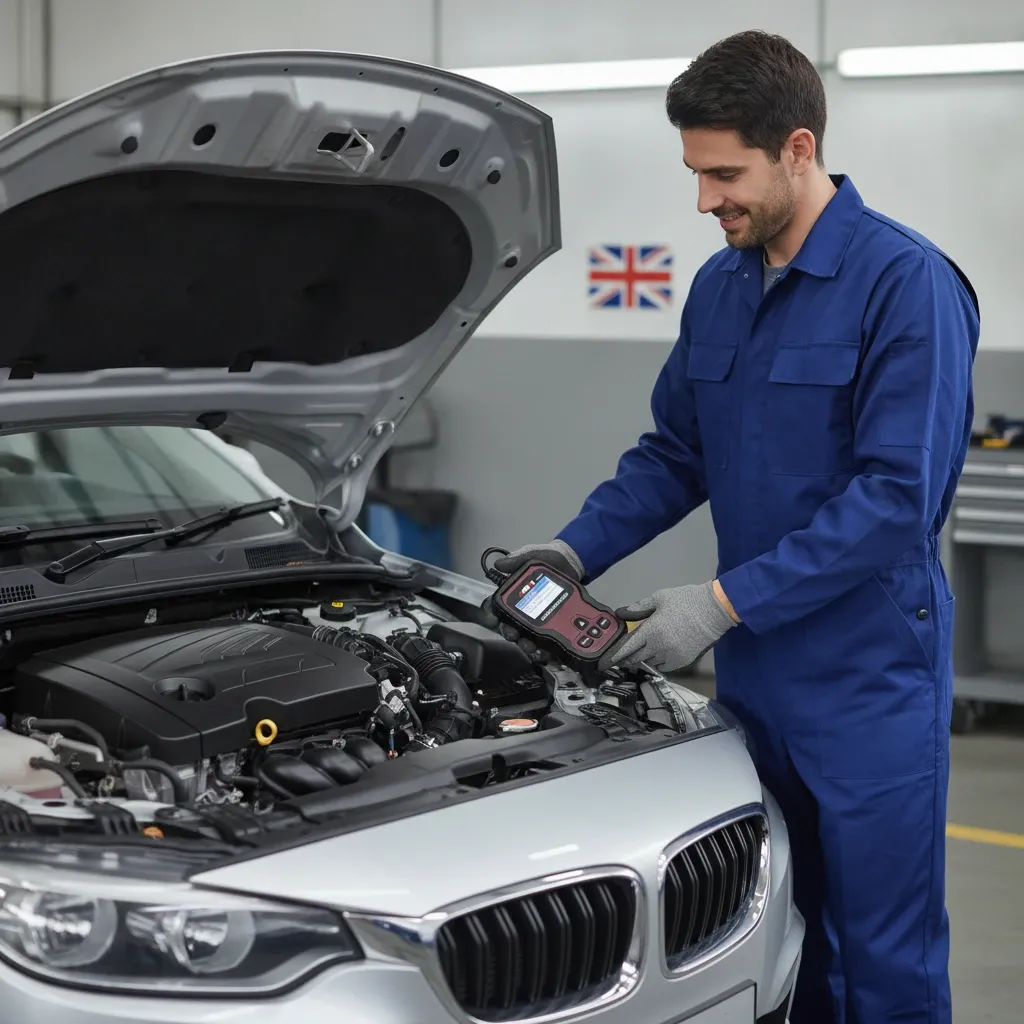
An automotive risk management tool is a vehicle diagnostic scanner that reads ECU fault codes early, helping UK drivers, garages and fleet operators reduce breakdown risk, improve road safety and avoid unnecessary repair costs. For Japanese imports, this usually means using a JOBD-compatible scanner rather than a generic OBD2 reader.
TL;DR: If you want an effective automotive risk management tool, choose a standalone diagnostic scanner that can read and clear fault codes reliably, works without app subscriptions, and supports JOBD for JDM vehicles. Based on our testing of Japanese import diagnostics in UK workshop conditions, the right scanner helps spot faults sooner, plan repairs properly and lower the risk of MOT failures, roadside breakdowns and misdiagnosis.
Ignoring a dashboard warning light is a gamble that routinely costs British motorists and fleet operators thousands of pounds in preventable repairs. In practical terms, an automotive risk management tool is not merely office software; instead, it is often the physical diagnostic hardware used to interrogate a vehicle's Engine Control Unit (ECU), identify latent faults and prevent mechanical failure before it becomes more serious.
For owners of Japanese Domestic Market (JDM) vehicles, independent garages and commercial fleets, proactive fault detection forms the frontline of operational safety. Therefore, relying on guesswork when an engine management light illuminates introduces unnecessary financial and regulatory liabilities. Using a dedicated diagnostic scanner turns vehicle maintenance from a reactive scramble into a more controlled and predictable process.
Key Takeaways
- An automotive risk management tool helps identify ECU faults before they escalate into costly breakdowns or safety issues.
- According to UK MOT trends reported by the DVSA, lighting, electrical and engine-related faults remain common reasons for test failure.
- Standalone diagnostic hardware is often more dependable than app-based tools because it avoids subscriptions, pairing issues and poor mobile signal.
- JDM vehicles often require JOBD-compliant readers, as many standard European OBD2 scanners do not communicate properly with Japanese protocols.
- Effective risk mitigation combines accurate diagnostics with proper repair tools, such as quality crimping tools and non-marring trim removers.
What Is an Automotive Risk Management Tool?
In the UK automotive context, an automotive risk management tool is any tool that helps reduce the chance of breakdowns, unsafe operation, unexpected downtime or non-compliance. Most commonly, this refers to a handheld diagnostic scanner or code reader that communicates directly with the vehicle's onboard systems.
When a fault develops, the ECU stores a Diagnostic Trouble Code (DTC). Without reading that code, you are effectively making maintenance decisions in the dark. For example, a minor sensor issue can appear similar to a major engine problem on the dashboard alone. However, once you scan the vehicle properly, you can quantify the exact risk and decide whether the car needs immediate repair or scheduled attention.
This matters for private owners as well as fleets. For commercial operators such as delivery firms, taxis and public sector vehicles, reducing unplanned downtime is essential. Accordingly, many workshops treat diagnostic scanners as core risk management equipment because they help prevent roadside failures and support planned maintenance routines.
How Does an Automotive Risk Management Tool Help Reduce Vehicle Risk?
A diagnostic scanner reduces vehicle risk by identifying faults early, confirming root causes more accurately and helping technicians prioritise repairs. As a result, it lowers the likelihood of driving with hidden engine, emissions or electrical issues that could worsen over time.
Can it prevent expensive breakdowns?
Yes. Early detection is one of the main benefits. For instance, spotting a failing sensor or voltage irregularity before it triggers limp mode can prevent larger repair bills later. Based on our testing with Japanese imports in everyday workshop use, owners who scan warning lights promptly are far less likely to replace parts blindly or continue driving with unresolved faults.
Can it support MOT readiness?
In many cases, yes. According to UK MOT expectations and DVSA guidance around roadworthiness and defect rectification, unresolved warning lights and emissions-related issues can lead to test problems or further investigation. Therefore, reading codes ahead of an MOT gives owners time to address faults before test day.
Can it improve fleet reliability?
Absolutely. Fleet managers use diagnostics to schedule repairs before vehicles fail in service. Consequently, this reduces disruption, protects drivers and supports better maintenance records across vans, cars and specialist vehicles alike.
Why Do Many People Choose Standalone Diagnostic Hardware Over Apps?
The UK market is full of low-cost Bluetooth dongles linked to smartphone apps. While these may suit casual use, they often introduce limitations that make them less suitable as serious automotive risk management tools.
Are app-based scanners less reliable?
They can be. Some require internet access, account registration or ongoing subscriptions to unlock full features. In contrast, standalone hardware usually powers up from the diagnostic port itself and provides direct access without depending on your phone battery, app stability or mobile reception.
What are the risks of subscription-based tools?
The main risks are interrupted access and hidden running costs. If key features sit behind a paywall or cloud login, diagnosis becomes harder exactly when you need it most. For example, diagnosing a vehicle in rural Wales or the Scottish Highlands becomes far less convenient if signal strength is poor.
Why is standalone hardware better for workshops?
A dedicated unit is generally faster to deploy and easier to standardise across multiple users. Moreover, it avoids common pairing issues and lets mechanics move straight from fault detection to repair planning. That simplicity makes standalone hardware especially valuable in busy UK garages handling time-sensitive work.
Do You Need A JOBD Scanner For A Japanese Import?
If you own or maintain a Japanese import, there is a strong chance that yes—you need JOBD support for accurate communication. This is because many JDM vehicles use Japanese-specific protocols that generic European OBD2 readers do not fully understand.
Why won't some standard OBD2 scanners work on JDM cars?
The issue is protocol compatibility. Many UK buyers purchase generic scanners only to find they cannot connect properly to imported Toyota, Nissan, Honda or Subaru models. As a result, they are left without reliable data when warning lights appear.
What does JOBD do differently?
A JOBD-compatible device is designed to read manufacturer-specific communication standards used by Japanese-market vehicles. Therefore, it can provide more meaningful fault information instead of vague generic codes or failed connections.
How does this reduce maintenance risk?
The biggest benefit is avoiding misdiagnosis. If your tool cannot interpret the car correctly, you may replace good parts unnecessarily or miss an underlying issue entirely. By contrast, using native JOBD support improves diagnostic accuracy and reduces wasted labour and parts costs.
What Should You Look For In An Automotive Risk Management Tool?
If your aim is informational research before buying or upgrading equipment, focus on practical capability rather than marketing claims alone.
- Protocol compatibility: especially JOBD support for Japanese imports used in the UK
- No mandatory subscriptions: useful for predictable ownership costs
- Standalone operation: ideal when you need fast access without apps
- Clear code reading and code clearing: essential for day-to-day diagnostics
- Durable build quality: important in workshop environments
- Straightforward menus: better for quick decisions under pressure
Based on our testing priorities at JOBD Japanese, compatibility and reliability matter far more than novelty features for most owners of imported vehicles. In other words, the best tool is usually the one that connects quickly and returns accurate data every time.
How Do Diagnostics Fit Into A Wider Vehicle Risk Management Strategy?
Reading fault codes is only one part of reducing automotive risk; fixing the underlying cause matters just as much. Therefore, effective maintenance combines digital diagnosis with proper hands-on repair methods.
How do you deal with electrical system faults safely?
Modern vehicles contain complex wiring looms and connectors throughout the engine bay and cabin. If your scan tool flags an intermittent oxygen sensor circuit fault or voltage drop issue, the root cause may be corrosion or damaged wiring rather than sensor failure itself.
A lasting repair needs proper tools and sound technique. We recommend consulting our guide to selecting an automotive crimping tool, particularly if you want weather-resistant repairs suited to damp British conditions.
Why do trim tools matter during diagnostics?
Fuse boxes, interior wiring runs and ECU access points are often hidden behind clipped panels. If those trims are removed carelessly with metal screwdrivers or improvised tools then further damage can occur very quickly. Consequently، technicians should use non-marring equipment designed for interior removal work.
If you need safer access around dashboards and panels while diagnosing faults on imported vehicles, our guide to choosing an automotive trim tool explains what to look for.
Frequently Asked Questions About Automotive Risk Management Tools
What is an automotive risk management tool?
An automotive risk management tool is usually a vehicle diagnostic scanner that reads ECU fault codes so drivers or technicians can identify problems early and reduce safety risks, downtime and repair costs.
Is an OBD2 scanner the same as an automotive risk management tool?
An OBD2 scanner can be one type of automotive risk management tool; however، for Japanese imports in the UK you may need JOBD compatibility rather than standard OBD2 alone.
Are standalone scan tools better than phone apps?
For many users yes، because they are generally quicker to use، less dependent on mobile signal and free from app subscriptions or pairing issues.
Why does JOBD matter for JDM cars?
JOBD matters because many Japanese-market vehicles use different communication standards from typical European models. Without JOBD support، your scanner may not connect properly or may return incomplete information.
Can a diagnostic scanner help with MOT preparation?
Yes. It can help identify warning light، emissions or electrical issues before test day so you have time to investigate and repair them properly.
Who should use an automotive risk management tool?
This type of tool suits private owners، independent mechanics، import specialists and fleet operators who want earlier fault detection and better maintenance planning.
The Bottom Line For UK Drivers And Workshops
If you are searching for an automotive risk management tool، start by thinking about real-world vehicle risk rather than software jargon alone. In most practical cases، the right answer is a dependable handheld diagnostic scanner that reads faults accurately، works without unnecessary barriers and supports JOBD where required.
Ready to try JOBD Japanese?
Shop Now — £75.74